Easter Floral Egg Outline Art
A Designer’s First Glance: Clean, Calm, and Craft-Ready
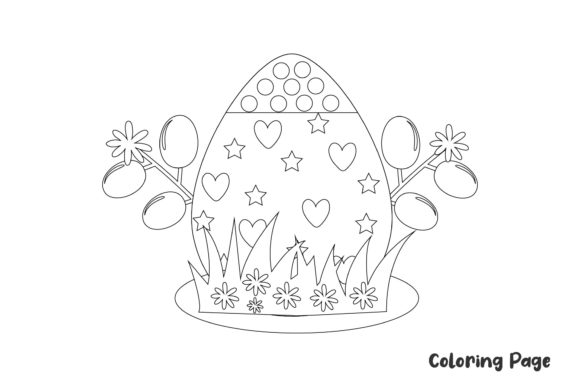
Opening Easter Floral Egg Outline Art feels like unrolling a fresh sketchbook page—light, intentional, and quietly confident. It’s not fussy or over-rendered; it’s an elegant egg shape wrapped in delicate floral vines and subtle buds, all rendered as clean black outlines on a 1920px × 1280px canvas. As a designer who’s stitched hundreds of holiday motifs—from hyper-detailed bunnies to dense cross-stitch patterns—I immediately appreciate its restraint. This isn’t a coloring page pretending to be embroidery-ready. It’s a thoughtful outline that invites interpretation: you choose the stitch type, thread weight, color story, and even how much (or how little) to fill.
Where It Shines: Real Projects, Real Customers
Last week, I prepped a custom embroidered linen tote for a local boutique’s Easter pop-up. The client wanted something soft but distinctive—not cutesy, not corporate. Easter Floral Egg Outline Art landed perfectly. I digitized it as a light running stitch border with a satin-stitched center bloom, then placed it low on the right side of the bag. Customers paused. They didn’t just glance—they leaned in, traced the curve with their eyes, commented on how “hand-drawn” and unhurried it felt. That’s the quiet strength of this design: it reads as handmade, even before stitching begins.
It works especially well for projects where subtlety builds value: baby onesies (gentle on delicate skin), tea towels (where crisp lines hold up to washing), pillow covers (the egg shape anchors the composition without overwhelming), and aprons (it sits beautifully above the pocket). For Etsy sellers and small shop owners, this is a versatile asset—it fits spring collections, nursery decor, and even wedding guest gifts (think: embroidered linen handkerchiefs with a single floral egg).
What to Watch For: Texture, Scale, and Fabric Reality
This isn’t a one-size-fits-all embroidery file. Its charm lies in its line work—but that also means it demands attention to context.
- Small hoop sizes (under 4”): The outer vine detail can feel cramped if scaled too small. Test it at your intended size on scrap fabric first—especially if planning sweatshirt or cap embroidery, where curvature distorts fine lines.
- Textured or stretchy fabrics: On terry cloth towels or ribbed knit sweatshirts, thin outline strokes may disappear without proper stabilizer support. A medium tear-away plus light cut-away combo gives clean definition without stiffness.
- Dark or printed backgrounds: Since it’s delivered as vector outlines (AI + EPS), you control fill and stroke—but remember: pure black thread on navy fabric loses contrast. Try charcoal gray or heathered ecru for warmth and readability.
- Frequent-wash items: Avoid dense fill stitches in the center unless you’re using high-quality polyester thread. A simple running stitch outline or open satin stitch preserves breathability and longevity—key for baby embroidery or kitchen linens.
Design Integrity Meets Commercial Practicality
As someone who reviews embroidery files for craft business use, I look beyond prettiness. Does it reinforce brand trust? Does it scale across product types without looking generic? Easter Floral Egg Outline Art delivers on both. Its consistent line weight and balanced negative space make it easy to pair with monogram initials or minimalist typography—ideal for boutique branding or cohesive small shop product lines. It doesn’t scream “Easter!” so loudly that it feels dated by April 15th. Instead, it leans into seasonal calm—a mood that sells year after year.
For digital product sellers, this is solid design assets material. Use it in printable mockups for Etsy listings (a linen tote + soft shadow + natural light does wonders), or layer it into digital planners under “Spring Creative Prompts.” Just remember: since it’s categorized under Coloring Pages Amp and Graphics, confirm licensing terms before reselling as a standalone embroidery file or bundling into commercial-use kits.
Embroidery Designer Notes: Your Pre-Stitch Checklist
- Test on scrap fabric first—especially with your target garment (e.g., organic cotton tee vs. brushed poly sweatshirt).
- Check thread color contrast in both natural and artificial light. What reads softly in daylight may vanish under store lighting.
- Review stitch density if digitizing yourself. Thin outlines don’t need heavy underlay—but skip it entirely on stable wovens like linen or denim.
- Confirm hoop size compatibility. At full canvas scale, it’s generous—but most embroidery projects will resize it. Know your minimum clear stitch width before shrinking.
- Inspect small details at 200% zoom: are vine tips sharp or pixelated? (Vector formats help here—no worries with AI/EPS.)
- Try black-and-white mockups to assess silhouette strength—this design relies on shape as much as detail.
- Compare light/dark fabric backgrounds visually before committing to thread choices.
- Use appropriate stabilizer: lightweight cut-away for knits, tear-away for stable wovens, no-show mesh for sheer fabrics.
- Verify commercial use rights—especially if selling finished embroidered patches or personalized gifts at craft fairs.
Final Thought: Not Just an Easter Design—A Quiet Signature
Easter Floral Egg Outline Art won’t dominate a shelf or stop scrollers mid-feed. But it earns repeat customers—the ones who return for “that lovely linen bag,” or ask, “Do you do other designs like the egg one?” That’s the mark of a mature, usable design: it supports your voice instead of shouting over it. Whether you’re digitizing for machine embroidery design, adapting for applique design, or building a cohesive holiday collection for your craft business, this outline gives you room to breathe, choose wisely, and stitch with intention. It’s not flashy—but in handmade product and personalized gift markets, quiet confidence often sells best.